Natural Light Access
Maximize exposure to natural light to support circadian rhythms, mood, and visual comfort. Position workstations near windows and use transparent design.
Design your office environment to support employee well-being, engagement, and sustainable productivity through intentional workspace strategies.
Discuss Wellness StrategyMaximize exposure to natural light to support circadian rhythms, mood, and visual comfort. Position workstations near windows and use transparent design.
Incorporate plants, natural materials, and nature views to reduce stress, improve air quality, and enhance aesthetic environment quality.
Ensure proper ventilation, air circulation, and fresh air intake. Monitor CO2 levels and maintain comfortable temperature zones throughout spaces.
Control noise pollution through strategic layout, sound-absorbing materials, and quiet focus areas. Support concentration and reduce stress from ambient noise.
Provide properly adjusted workstations with supportive seating, adjustable desks, and movement variety to prevent strain and support physical comfort.
Create spaces and encourage routines for movement breaks, stretching, walking meetings, and physical activity integrated into the workday.
Establish dedicated break areas, quiet zones, and restoration spaces where employees can recharge, refocus, and support mental well-being.
Design layout and routines that support sustainable work practices, appropriate breaks, focus time, and collaborative interaction patterns.
Effective break spaces support mental recovery and physical relief from continuous work. Consider these elements:
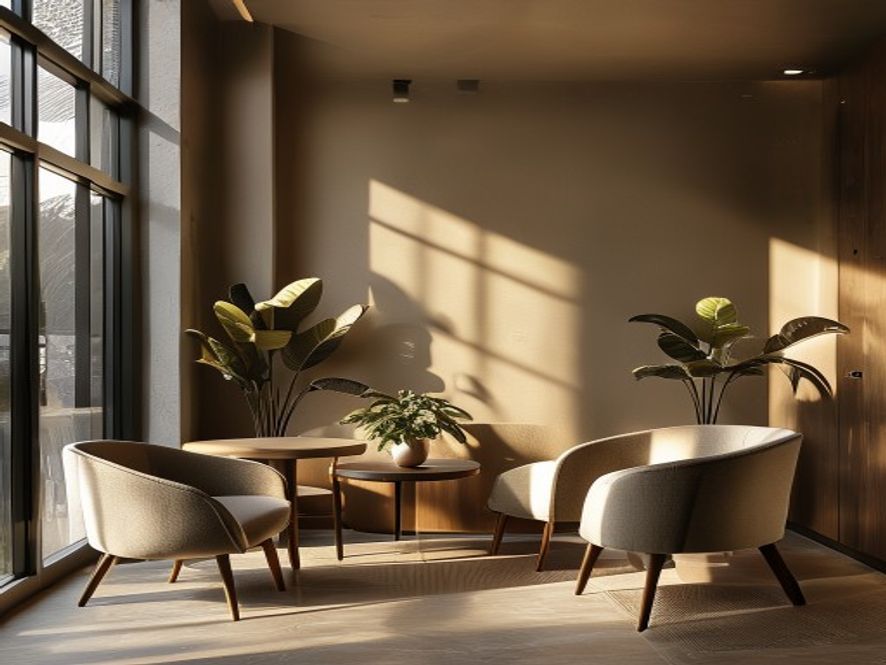
Start with intention—take a few moments to set up your workstation properly. Position monitor at eye level, adjust lighting, and establish a grounded mindset for the day ahead.
Move away from your desk. Take a short walk, visit a break area, or perform simple stretches. Shift your visual focus from screen to distance. Hydrate and reset.
Fully disconnect from work. Move to a different space. Nourish with intentional eating. If possible, spend time outdoors or in natural light. This creates a genuine boundary in your day.
Energy often dips in early afternoon. Combat this with movement—walk the office, climb stairs, stretch, or take a standing break. Support your natural rhythm rather than fighting it.
Prepare to wrap your workday. Organize your space, review what you accomplished, plan tomorrow, and prepare mentally to shift from work mode. This closure supports better evening rest.
Workspace wellness is both environmental design and team practices.
When leaders visibly take breaks, stretch at their desks, and use break areas, it gives permission and normalizes wellness practices throughout the team.
Create safe spaces to discuss workspace comfort, ergonomic needs, and well-being support. Listen to employee feedback and act on observations.
Build break time into meeting schedules, encourage walking meetings, and protect focus time. Make wellness part of organizational rhythm, not an afterthought.
Offer simple guidance on ergonomic setup, movement ideas, posture awareness, and sustainable work practices. Knowledge empowers better personal choices.
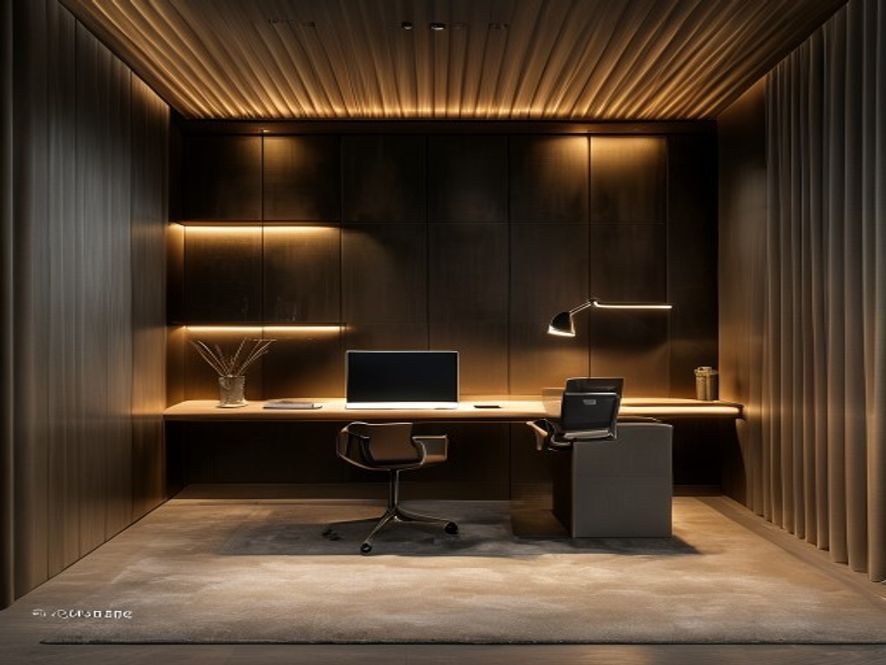
Deep work requires environmental support. Dedicated quiet zones should feature:
A comprehensive audit reveals opportunities to support employee well-being through thoughtful environmental design and practices.
Start Wellness Assessment